Choosing the Best Plotter Paper for Design
- SATVA BY JR
- Jan 13
- 4 min read

Selecting the right plotter paper for design is essential for professionals who require precision and quality in their work. Whether you are creating detailed fashion patterns, garment templates, or eco-friendly packaging designs, the paper you choose impacts the final output. I will guide you through the key factors to consider when choosing plotter paper, helping you make informed decisions for your business needs.
Understanding Plotter Paper for Design
Plotter paper is a specialized type of paper used in large-format printers and plotters. It is designed to handle detailed line work, patterns, and technical drawings. For fashion designers and garment manufacturers, the right plotter paper ensures accuracy in pattern making and cutting.
There are different grades of plotter paper, such as Maplitho and Newsprint, each with unique properties. Maplitho grade is smooth and ideal for inkjet printing, while Newsprint grade is more economical and suitable for rough sketches or temporary patterns. Choosing the right grade depends on your specific application and budget.
I recommend considering the thickness and finish of the paper. Thicker paper offers durability and resistance to tearing during handling. A smooth finish allows for clear printing and easy tracing. For eco-conscious businesses, sustainable options like recycled or compostable plotter paper are available, aligning with green packaging goals.
Why Quality Matters in Plotter Paper for Design
Using high-quality plotter paper improves the accuracy of your designs. Poor quality paper can cause ink to bleed, lines to blur, or patterns to distort. This leads to errors in garment cutting or packaging templates, increasing waste and costs.
Durability is another important factor. Paper that tears easily or wrinkles can disrupt workflow and delay production. For businesses exporting products internationally, consistent quality ensures that designs meet client expectations across different markets.
I suggest testing samples before bulk purchasing. This allows you to check compatibility with your plotter and the type of ink you use. Also, consider suppliers who offer a range of sizes and thicknesses to match your evolving needs.
What Paper Size Does a Plotter Use?
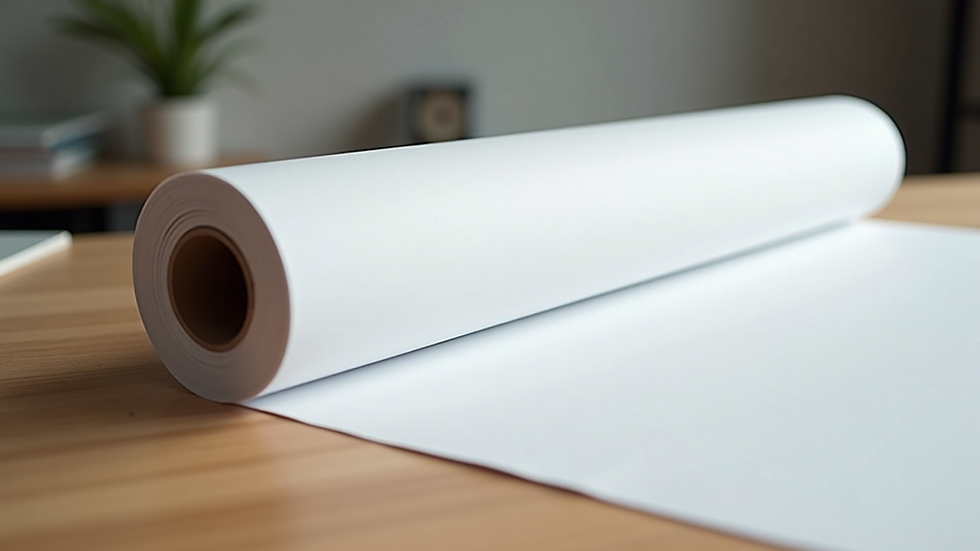
Plotters typically use large rolls of paper to accommodate wide-format printing. Common widths range from 24 inches (610 mm) to 60 inches (1524 mm) or more. The length of the roll can vary, often between 50 to 150 meters, depending on the supplier.
Choosing the right size depends on the size of your designs and the capacity of your plotter. For fashion pattern making, widths of 36 to 42 inches are common, providing enough space for full garment templates. For packaging designs, wider rolls may be necessary to cover larger layouts.
It is important to match the paper size with your plotter specifications to avoid jams or misfeeds. Also, consider the storage space for rolls and ease of handling during printing.

Features to Look for in Plotter Paper Rolls
When selecting plotter paper rolls, focus on these key features:
Thickness (GSM): Choose between 60 to 90 GSM for general use. Thicker paper (above 90 GSM) is better for durability.
Surface Finish: Matte finish reduces glare and is ideal for tracing. Glossy finishes enhance color vibrancy but may not be suitable for all inks.
Ink Compatibility: Ensure the paper supports your ink type, whether it is inkjet, laser, or thermal.
Tear Resistance: Look for papers with good tensile strength to withstand handling.
Eco-friendliness: Consider recycled content or compostable options if sustainability is a priority.
Perforation and Punching: Some papers come with perforations or punch holes for easy handling in sewing and CAD rooms.
Satva By JR Corporation offers a variety of plotter paper rolls tailored for fashion and packaging industries. Their products include Maplitho and Newsprint grades, along with sewing room accessories and sustainable packaging materials.
How to Store and Handle Plotter Paper Rolls
Proper storage and handling extend the life of your plotter paper rolls. Keep rolls in a cool, dry place away from direct sunlight and moisture. Humidity can cause paper to warp or curl, affecting print quality.
Store rolls horizontally on racks or shelves designed for large rolls. Avoid stacking heavy items on top to prevent deformation. When loading paper into the plotter, handle the roll carefully to avoid creases or tears.
Use protective covers or sleeves if available, especially for long-term storage or shipping. Regularly inspect rolls for damage before use to avoid printing errors.
Making the Right Choice for Your Business
Choosing the best plotter paper for design requires balancing quality, cost, and sustainability. I recommend working with suppliers who understand your industry needs and offer a range of products. Satva By JR Corporation, based in India, provides large width Maplitho and Newsprint grade inkjet plotter paper rolls, along with sewing and CAD room solutions and sustainable packaging options.
By selecting the right paper, you improve the accuracy of your designs, reduce waste, and support eco-friendly practices. This benefits your production process and enhances your brand reputation in international markets.
Explore the options available and request samples to find the best fit for your specific applications. Investing in quality plotter paper is a step toward efficient, professional, and sustainable design workflows.

Comments